A few years ago, the answer to this question was almost automatic. If your MEPCO bill was high and your rooftop received decent sunlight, installing solar panels with net metering looked like one of the clearest long-term decisions you could make.
In 2026, I wouldn’t answer quite so quickly.
Solar itself is still valuable. That hasn’t changed. What has changed is the way exported electricity is treated, and that difference matters a lot when you are calculating whether a new system will actually save you money.
The old idea was simple: produce extra units during sunny hours, send them to the grid, and use those units to offset electricity consumed later. The current policy direction has made that calculation less generous for new solar consumers. NEPRA’s 2026 Prosumer Regulations and the policy changes surrounding them have shifted attention from simple unit-for-unit thinking toward separate treatment of imported and exported electricity.
So, is MEPCO net metering still worth it?
For some households and businesses, absolutely. For others, installing an oversized system just to export large amounts of electricity no longer makes much financial sense.
1. The biggest change is not solar, it’s what happens to your extra units
People sometimes discuss the new rules as though solar panels suddenly became less productive. They didn’t.
A 10 kW solar system still generates electricity according to the sunlight available, the quality of the equipment, installation angle, temperature, shading, and several other practical factors. What changed is the value you receive for electricity that you do not use yourself and send back into the grid.
Under the government’s 2025 policy decision, the proposed framework moved away from the older arrangement and set a much lower buyback value for exported electricity, while electricity imported from the grid continued to be billed according to applicable consumer tariffs, taxes, and surcharges. Existing consumers with valid agreements were initially treated differently from new applicants, with their existing terms remaining in force until the relevant agreement or licence expired.
By 2026, NEPRA had notified the National Electric Power Regulatory Authority (Prosumer) Regulations, 2026, making the policy environment for new applicants substantially different from the one many homeowners remember.
This is why old YouTube videos and old solar calculators can now give misleading results.
Someone who installed a system under an earlier agreement may have a very different financial experience from someone applying for a new connection in 2026.
That distinction needs to be made right at the beginning.
| Situation | What matters most |
|---|---|
| Existing solar consumer | The terms and validity period of the existing agreement |
| New applicant in 2026 | Current Prosumer Regulations and applicable MEPCO requirements |
| Household using most solar power during daytime | Potentially strong savings |
| Household exporting most production | Lower export value can reduce returns |
| Oversized solar installation | Higher risk of producing units with less valuable compensation |
For MEPCO consumers, checking the actual billing structure is just as important as checking the number of solar panels you plan to install.
2. Using your own solar electricity has become more valuable
This is probably the most practical way to look at solar in 2026.
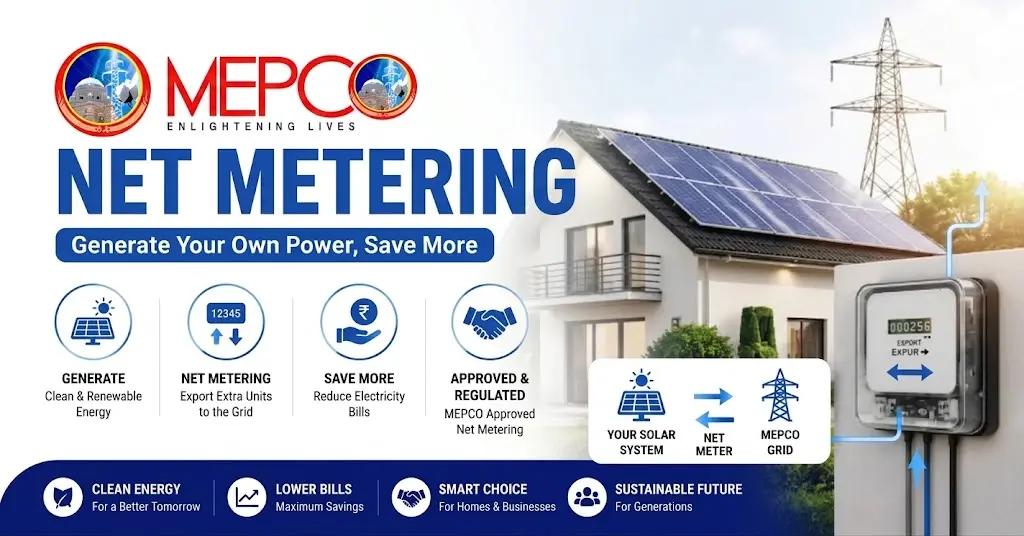
A unit of solar electricity that you use directly inside your home does not need to be purchased from MEPCO at the applicable retail tariff. A unit that you export, on the other hand, is subject to the rules and compensation structure that applies to exported energy.
Those two units are physically identical, but financially they are not necessarily worth the same amount.
Imagine a household where most people leave home during the day. The solar system produces heavily from late morning until afternoon, but the house uses relatively little electricity. A large portion of production goes to the grid.
Now compare that with a household running air conditioners, water pumps, computers, refrigerators, or a small home office during daylight hours. More of the solar electricity is consumed immediately.
The second household generally gets more direct value from its solar generation.
This is where people usually go wrong. They buy a solar system based on their total monthly electricity consumption without studying when that consumption actually happens.
A monthly bill might show 800 units of consumption, but the timing of those 800 units changes the economics completely.
At mepcco-bill.pk, I would suggest looking at several previous bills before deciding on system capacity. Your electricity pattern matters more now than a salesperson simply saying, “Install enough panels to cover your whole bill.”
And while you are reviewing your billing history, it is worth understanding why some bills contain unusual unit calculations or estimated readings. A separate explanation of why MEPCO bills show estimated units can help prevent you from using an inaccurate month as the basis for a major solar investment.
3. A smaller, properly sized system may now beat an oversized one
There was a time when consumers frequently focused on installing as much capacity as their roof and budget allowed.
That approach deserves another look.
In the current environment, the goal should be to understand your daytime consumption first and then select a system that produces a useful amount of electricity for your actual lifestyle or business operations.
For example, a freelance graphic designer working from home on a Tuesday afternoon might be running a computer, several fans or air conditioners, internet equipment, lighting, and other appliances while the solar system is producing electricity. Direct consumption could be significant.
A house sitting mostly empty between 9 a.m. and 5 p.m. has a different pattern.
The system size should reflect that.
A simple sizing checklist
Before approving a solar quotation, check:
- Your average monthly electricity consumption over several months
- How much electricity you use during daylight hours
- Seasonal changes, especially summer air-conditioning demand
- Roof space and shading
- Expected solar production rather than sales promises
- Current rules for exported electricity
- The cost of batteries, if you are considering storing surplus power
- Your existing or proposed MEPCO connection requirements
The Power Division’s published information has historically described net-metering eligibility and technical requirements, including the use of a bi-directional meter and conditions related to connection type and distributed generation. However, consumers should verify current requirements because regulatory arrangements have changed since earlier guidance was published.
And this is worth saying twice, because it affects the whole investment: don’t size a new solar system using a five-year-old understanding of net metering.
4. Existing MEPCO net-metering consumers are in a different position
If you already have a valid net-metering arrangement, your situation should not automatically be compared with that of a person applying today.
The 2025 government announcement specifically stated that the revised framework would not apply immediately to existing consumers holding valid licences, concurrence, or agreements under the earlier regulations. Those arrangements were to continue under their existing terms until the applicable expiry point.
That means an existing consumer should first check the exact documents connected with their installation instead of relying on social media posts saying that “all net metering has ended.”
Policy headlines can simplify a complicated situation. Your agreement is more specific.
There have also been developments and debate around the treatment of existing consumers under subsequent regulations, which makes it even more important to distinguish between a proposed policy, a notified regulation, and the terms applying to a particular agreement.
If you are already connected, keep copies of your concurrence, agreement, approval documents, and recent bills.
Small paperwork details become surprisingly important when electricity regulations change.
5. Don’t confuse a low bill with a perfect solar calculation
I see this mistake in electricity discussions quite often.
A person installs solar, receives one or two dramatically lower bills, and assumes the investment calculation is settled forever. But electricity bills are affected by more than solar production.
Consumption changes. Seasons change. Tariffs change. Fuel adjustments and other charges can change the final amount. Meter readings also need to be accurate.
For that reason, if a bill suddenly looks unusual after solar installation, don’t immediately assume the solar system or MEPCO’s netting process is responsible.
Check the reading.
Check the billing period.
Check previous arrears or adjustments.
And if something looks genuinely wrong, understand the proper process for raising a billing issue. Our guide on how to dispute a wrong MEPCO bill explains why simply looking at the total payable amount is not enough when investigating a possible billing error.
A practical solar decision should be based on a realistic annual picture, not one unusually good month.
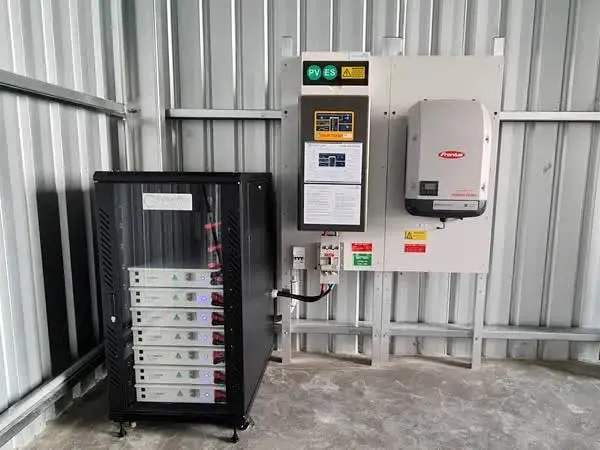
6. Batteries are becoming part of the conversation, but they aren’t automatically the answer
The lower value of exported electricity naturally makes people think about batteries.
The logic is straightforward. If surplus solar electricity has limited value when exported, storing some of it for later household use sounds attractive.
But batteries add a significant upfront cost, and the financial calculation depends on battery capacity, cycle life, replacement cost, efficiency losses, and how much stored electricity you actually use.
So no, I wouldn’t tell every MEPCO consumer to add batteries immediately.
For a household with high evening consumption and frequent use for backup purposes, battery storage could have a stronger practical case. For another household, simply adjusting appliance usage to daytime hours may produce better value without the same additional investment.
Run washing machines during the day when practical. Schedule heavy loads around solar production. Consider daytime cooling strategies. Shift some electricity demand toward the hours when your panels are actually working.
That sounds almost too simple, but simple changes can matter.
MEPCO is also moving toward newer metering infrastructure in selected areas, and developments involving smart AMI meters may affect how consumers monitor and understand electricity consumption over time. You can follow our coverage of MEPCO’s rollout of smart AMI meters for related updates.
7. My practical verdict for 2026
MEPCO net metering is still worth considering in 2026, but the reason for installing solar has changed.
The strongest case is no longer simply, “I will generate as many units as possible and send the excess to the grid.”
A better approach is, “How much electricity can I generate and use myself?”
That shift changes system sizing, equipment choices, and expected payback.
Net metering in 2026 is generally more attractive when:
- You have substantial daytime electricity consumption
- Your roof has strong solar exposure
- You choose system capacity carefully
- You understand the current rules before investing
- You have an existing agreement with terms that remain favorable
- You are reducing expensive grid consumption directly
It requires more careful calculation when:
- Your home is empty for most daylight hours
- You plan to install far more capacity than you use during the day
- Your financial plan depends heavily on export income
- You are using outdated buyback assumptions
- A solar installer has given you a payback estimate without reviewing your consumption pattern
That’s the dividing line.
Solar has not stopped making financial sense. Poorly planned solar investments have simply become easier to make.
And honestly, this is where I would slow down rather than rush. I would collect at least six to twelve months of MEPCO bills, examine daytime usage, get more than one technical quotation, and ask every installer to explain their assumptions in plain numbers.
If the savings calculation only works because of an unrealistic export assumption, walk away.
If it still works because your household can consume a large share of its solar production directly, the system may remain a very sensible investment.
At mepcco-bill.pk, our focus is helping MEPCO consumers understand the information around their electricity bills rather than making decisions from headlines alone. The rules have changed, the bill matters, and the way you use electricity now matters even more.
FAQs
Is MEPCO net metering completely finished in 2026?
The situation has changed significantly, particularly for new solar consumers. NEPRA notified the Prosumer Regulations, 2026, and the treatment of imported and exported electricity differs from the older net-metering model many consumers were familiar with. Existing consumers should check their own valid agreements and approvals rather than assuming their arrangements are identical to those of new applicants.
Is it still worth installing solar panels without a highly favorable export rate?
Yes, it can be. The strongest financial benefit comes from replacing electricity that you would otherwise buy from the grid. A household with significant daytime consumption may still achieve substantial savings even if exporting excess electricity is less financially attractive than it was under older arrangements.
Should I install a larger solar system so I can sell more electricity to MEPCO?
Not without doing a detailed calculation. An oversized system can produce large amounts of surplus electricity, and the value of that surplus depends on the current rules. Start with your actual consumption pattern instead of choosing capacity purely to maximize exports.
Do existing net-metering consumers have the same rules as new applicants?
Not necessarily. Government policy announcements in 2025 stated that valid existing agreements would continue under their existing terms until their applicable expiry, while later regulatory developments also require consumers to pay attention to their specific contractual and regulatory status. Check your own documentation for the most accurate answer.
What should I check before applying for MEPCO net metering in 2026?
Check these points first:
| Check | Why it matters |
|---|---|
| Current NEPRA regulations | Rules for new prosumers have changed |
| Your daytime electricity use | Direct solar consumption has greater financial value |
| System size | Oversizing can weaken the investment calculation |
| MEPCO technical requirements | Connection and metering requirements must be satisfied |
| Installer’s payback estimate | Assumptions should be transparent and current |
Before making a final decision, I would also compare several months of bills and investigate any unusual billing entries. For example, if your account shows unexplained balances, understanding why a MEPCO bill can show arrears after payment can help you avoid confusing a billing issue with your actual electricity consumption.
The best solar system in 2026 isn’t necessarily the largest one on your roof. It’s the one that matches the electricity you genuinely use, the rules that actually apply to you, and the numbers you can verify before spending the money.