A solar installer once told me, “The customer has the panels, the inverter, the money, everything. The application is the easy part.”
That last sentence is where I disagree.
For MEPCO consumers, the solar system itself is only one piece of the process. The paperwork, sanctioned load, connection type, approved installation requirements, and the way the application is submitted all matter. MEPCO’s published checklist, for example, specifically refers to approved installers, online submission by the approved installer, a three-phase connection, and supporting documents for the application.
This is where people usually go wrong. They spend weeks comparing solar panels and inverters, then treat the MEPCO application like a formality.
It isn’t.
I have noticed the same three mistakes come up repeatedly in discussions around MEPCO solar applications. None of them is particularly complicated. The problem is that each one tends to appear at the wrong stage, when fixing it is already inconvenient.
1. Choosing the Solar System Before Checking the Connection
A homeowner usually starts with the obvious question: “How many panels do I need?”
That sounds sensible, but it isn’t the first question I would ask.
The first thing to check is the existing electricity connection and sanctioned load.
MEPCO’s published net-metering application checklist states that the connection should be three-phase. It also says that where a consumer has a single-phase connection, it should be upgraded through the SDO office. The checklist further states that the load applied for the distributed generation facility must be equal to or 1.5 times the sanctioned load.
That detail matters because a solar quote can look perfectly reasonable while the underlying electricity connection doesn’t meet the application requirements.
Here is a simple way to think about it:
| What you check | Why it matters |
|---|---|
| Existing connection type | A three-phase connection is specified in MEPCO’s published checklist |
| Sanctioned load | It affects the distributed generation application |
| Proposed solar capacity | It needs to fit the applicable interconnection requirements |
| Meter and wiring condition | Existing issues can complicate inspection or installation |
| Previous bills | Useful for understanding actual consumption before sizing the system |
The mistake is buying equipment first and checking these details afterward.
Suppose someone has studied their bills and decides that a particular solar capacity looks right for their household. They pay an installer, panels arrive, the inverter is selected, and only then does someone properly review the sanctioned load.
Now the project has a paperwork problem.
That does not necessarily mean the solar system is useless. It means the applicant has created a problem that should have been checked before money was committed.
Check the bill, not just the roof
A roof can tell you how much space is available for panels. It cannot tell you whether your MEPCO connection is ready for the application.
Start with your electricity bill. Look at the consumer information, connection details, sanctioned load and other relevant fields. Then compare those details with the proposed solar system.
This is also why keeping old bills is useful. They show how your consumption changes across months, and they give you something to compare against after the system starts operating.
For consumers who are still trying to understand their ordinary electricity charges before investing in solar, the MEPCO bill information on mepccobill.pk can also be useful as a starting point.
The basic lesson is simple: size the solar project around the actual electricity connection and requirements, not around a sales quotation alone.
2. Assuming Every Solar Installer Handles the MEPCO Process the Same Way
This is probably the mistake that creates the most confusion.
A solar company may be excellent at installing panels and still not be the right person to handle every part of a grid-interconnection application.
MEPCO’s published checklist says the application must be uploaded online by an approved installer, while the hard copy is sent to the MEPCO Net Metering Cell at headquarters in Multan or the concerned office according to the sanctioned load authority. It also refers to specific application and agreement schedules.
That is a process, not simply a purchase order.
MEPCO itself maintains a dedicated net-metering section with application forms, a checklist, interconnection material, process information and related documents.
So when an installer says, “Don’t worry, we handle everything,” I would ask one more question:
What exactly does “everything” include?
Does it include the online application?
Does it include the required documentation?
Does it include the interconnection agreement?
Does it include coordination for the relevant inspection and approval stages?
Does the installer meet the applicable approval requirements?
Those questions take a few minutes to ask. Sorting out missing paperwork later takes considerably longer.
Don’t confuse installation with approval
A solar installation and a grid interconnection are related, but they are not the same thing.
The panels convert sunlight into electricity. The inverter manages the electrical conversion and grid interaction. The application process deals with whether the proposed distributed generation facility is permitted to interconnect with the distribution system under the applicable rules.
MEPCO’s own published material separates these parts of the process, providing application forms, an interconnection agreement and procedural guidance.
And this is worth mentioning because the rules themselves have changed. NEPRA notified the National Electric Power Regulatory Authority (Prosumer) Regulations, 2026 on February 9, 2026. NEPRA’s legal records also show subsequent amendments during 2026.
So an installer who says, “This is how we did it two years ago,” isn’t giving you enough information.
The current requirements matter.
A small side thought about quotations
Solar quotations sometimes contain a surprisingly long list of hardware but very little information about the administrative side.
Panel brand. Inverter model. Mounting structure. DC cable. AC cable. Protection equipment.
All useful.
But if the quotation doesn’t clearly explain what happens with the MEPCO application, don’t assume that part is automatically included. Ask. Get the answer in writing if the project depends on it.
Then return to the actual solar system.
That small bit of paperwork discipline saves a lot of back-and-forth.
3. Treating “Net Metering” as a Fixed Financial Promise
This is the mistake I would be most careful about in 2026.
People sometimes hear “net metering” and immediately calculate their expected savings using a simple formula:
Solar generation = electricity bill reduction
That calculation is too simple.
A grid-connected solar consumer has electricity flowing in both directions. The home consumes electricity from the grid when its own generation is insufficient, while surplus generation can be exported subject to the applicable framework and approved interconnection arrangement.
MEPCO’s published annual report describes its net-metering billing process in terms of comparing electricity supplied by the company with electricity supplied by the distributed generator during a billing cycle.
But the regulatory framework governing these arrangements is not frozen in time.
NEPRA’s 2026 Prosumer Regulations define an applicant in terms of eligible three-phase 400V or 11kV consumers and define a distributed generation facility as generation from solar, wind or biogas up to 1 MW.
The practical point for a new applicant is this:
Do not calculate your solar investment using an old rate sheet, an old YouTube video or a quotation copied from a previous customer.
Check the rules and applicable arrangements that apply to your application.
The difference between using current information and using an old calculation can be significant over the expected life of a solar installation.
What should you calculate instead?
Before signing a contract, separate these questions:
- How much electricity does the household actually consume?
- How much of that consumption occurs during daylight hours?
- What solar capacity is technically suitable?
- What connection and sanctioned-load requirements apply?
- What are the current rules for export and billing?
- What costs are included in the installation quotation?
- What happens if the application or inspection identifies a problem?
That produces a much more realistic picture than simply asking an installer, “How much will my bill become?”
And yes, the last question matters.
A solar system doesn’t make every component of an electricity bill disappear. Billing arrangements, applicable tariffs, taxes, charges and the treatment of imported and exported electricity all need to be understood under the current framework.
For MEPCO consumers, this is one reason I prefer checking the actual bill rather than relying entirely on an estimated monthly saving.
If your bill already has an unusual reading or consumption issue, it is worth sorting that out before using the bill as the basis for a solar calculation. I have covered the same type of billing problem separately in this guide to incorrect MEPCO meter readings.
A Better Order for Your MEPCO Solar Application
The three mistakes above have one thing in common.
They happen because the order gets reversed.
People select equipment, calculate savings, sign a contract and then investigate the electricity connection and application requirements.
I would reverse that sequence.
Connection first. Application requirements second. System design third. Financial calculation fourth.
A practical sequence looks like this:
Step 1: Check your current MEPCO bill and connection details.
Step 2: Confirm the connection type and sanctioned load.
Step 3: Determine whether any connection upgrade is required.
Step 4: Choose an installer who understands the applicable MEPCO process and current regulatory requirements.
Step 5: Review the application documents before installation work is treated as complete.
Step 6: Check the proposed solar capacity against the applicable requirements.
Step 7: Review the current billing and export framework before calculating your expected savings.
Step 8: Keep copies of the application, agreements, bills, payment records and relevant correspondence.
That last step sounds boring.
It isn’t.
Electricity projects involve documents. Documents have a habit of becoming useful several months after you thought you were finished with them.
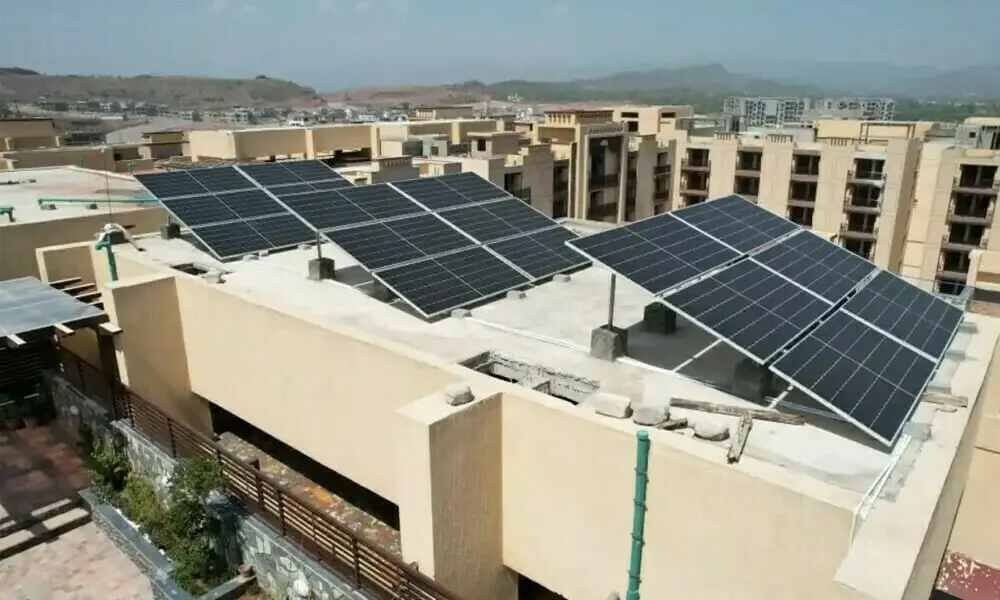
Where MEPCO Solar Applicants Usually Go Wrong
Here is the short version I would save:
| Mistake | What the applicant does | Better approach |
|---|---|---|
| Connection mistake | Buys solar equipment before checking the connection | Verify connection type and sanctioned load first |
| Installer mistake | Assumes installation and application are the same service | Ask exactly what application work the installer handles |
| Rules mistake | Uses an old net-metering calculation | Check the current NEPRA and MEPCO requirements |
There is another small mistake hiding behind all three: relying on verbal information.
Someone says the application will be approved.
Someone says a particular capacity is fine.
Someone says the same rates still apply.
Someone says the paperwork will be handled.
Maybe all of those statements are correct. But a serious solar purchase should not depend on “someone said.”
Look at the current documents.
MEPCO publishes its net-metering information and application material, while NEPRA publishes the governing regulatory documents.
That is a much better basis for a decision.
What I Would Check Before Paying the Installer
Before making a substantial payment, I would want these points clear:
- What is my current sanctioned load?
- Is my connection three-phase?
- Does the proposed solar capacity fit the applicable requirements?
- Is the installer approved for the relevant process?
- Who submits the online application?
- Who prepares the required documents?
- Who handles the hard-copy submission where required?
- What happens if the application needs correction?
- Which current NEPRA rules are being used for the financial calculation?
- What exactly is included in the quoted price?
- Which equipment is being installed, and what warranty applies?
- What documents will I receive after the work?
Notice that only some of those questions are about panels.
That’s deliberate.
A solar project connected to the MEPCO network is not just a rooftop hardware purchase. There is an electrical connection, an application, an interconnection process and a regulatory framework sitting behind it.
That part is easy to forget when the sales conversation is mostly about how many panels will fit on the roof.
FAQs About MEPCO Solar Applications
Can I apply for MEPCO solar if I have a single-phase connection?
MEPCO’s published checklist specifies a three-phase connection for the net-metering application and says a single-phase connection should be upgraded through the SDO office. Check the current applicable requirements before starting the application.
Does the solar installer submit the MEPCO application?
MEPCO’s published checklist says the application must be uploaded online by an approved installer, with the hard copy sent to the relevant MEPCO office or Net Metering Cell according to the applicable authority. Confirm these responsibilities with your installer before signing the agreement.
Is the old net-metering calculation still valid in 2026?
Don’t assume it is. NEPRA notified the Prosumer Regulations, 2026 and later issued amendments during 2026, so a new applicant should use the current applicable regulatory framework rather than an old calculation.
Does installing solar automatically mean my MEPCO bill will become zero?
No. Your bill depends on electricity imported from the grid, your solar generation and the applicable billing and tariff arrangements. The financial result should be calculated using your actual consumption and the rules applicable to your approved connection.
What documents should I keep after applying?
Keep your application documents, interconnection agreement, copies of your MEPCO bills, payment records, installer documents and any official correspondence. Having the records together makes it much easier to answer questions if the application or billing needs to be reviewed later.
One Last Check Before You Sign
Solar is one of those purchases where the physical part is easy to see.
You can stand on the roof and count the panels. You can look at the inverter. You can inspect the mounting structure.
The administrative side is less visible, but it matters just as much for a grid-connected system.
So before signing a MEPCO solar contract, I would pause and check three things: the connection, the application process and the current rules.
Do that before the equipment arrives, not after.
That small change in timing is probably the simplest way to avoid the three mistakes discussed here.
For MEPCO consumers, mepccobill.pk can also be used alongside your regular bill records when you need to keep track of billing information while planning the project.
For the latest regulatory reference, consult the current NEPRA Prosumer Regulations rather than relying on an older solar guide.